
Fintech Ecosystem of Kyrgyzstan in 2026
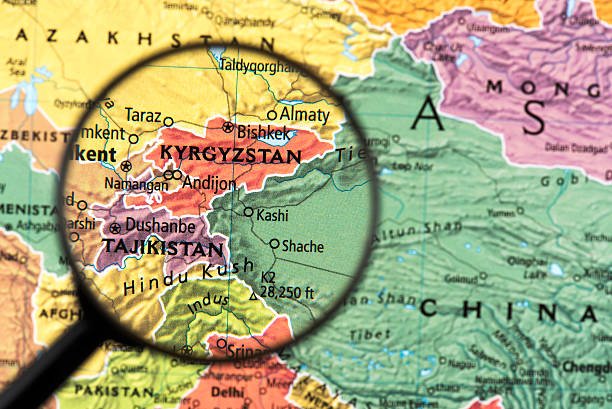
Kyrgyzstan’s fintech landscape has undergone a quiet but meaningful transformation over the past two years. Once considered modest and fragmented, the ecosystem in 2026 is increasingly defined by acceleration, driven by necessity, regional integration, and a steady shift toward digital financial services.
Situated at the crossroads of major Eurasian trade routes, Kyrgyzstan has historically relied on sectors such as gold mining, agriculture, and remittance-driven consumption. According to the World Bank, the country’s economy now stands at roughly $22 billion, with GDP per capita approaching $2,900. While these figures still place it within the lower-middle-income bracket, the structure of the economy is evolving, with services contributing more than half of total output. The capital, Bishkek, remains the central hub for financial and commercial activity.
The fintech sector reflects this broader transition. Where the ecosystem once revolved primarily around traditional banking channels, it has expanded to include a growing mix of digital wallets, QR-based payments, peer-to-peer lending platforms, and microfinance innovations. Today, the market consists of an estimated 40 active fintech players, with a hybrid model—linking banks and telecom operators—dominating the landscape.
Leading platforms such as MBank, O!Money, and Balance.kg are at the forefront of this shift, offering mobile-first financial services that cater to a population increasingly comfortable with digital transactions. Traditional institutions, including Optima Bank and Demir Bank, have also accelerated their digital transformation efforts, integrating mobile banking and online services into their core offerings.
One of the most significant developments between 2024 and 2026 has been the surge in adoption. Digital payments, particularly QR-code transactions, have grown at an exponential pace, with more than 53 million transactions recorded in a single quarter last year. This rapid uptake signals more than a change in consumer preference—it reflects a structural shift away from cash toward a more formalized and traceable financial system.
Regulatory support has played a critical role in enabling this progress. The National Bank of the Kyrgyz Republic has focused on strengthening payment infrastructure, promoting interoperability, and exploring innovations such as instant payment systems and a potential digital som. While open banking frameworks are still in their early stages, the country is gradually aligning with regional standards, particularly through cooperation within the Eurasian Economic Union.
Financial inclusion has also improved markedly. More than 70% of adults now have access to financial accounts, largely due to the widespread adoption of mobile wallets and the integration of digital government payments. This places Kyrgyzstan ahead of several regional peers, although disparities remain in rural areas where access to infrastructure and financial literacy continues to be limited.
Beyond payments, fintech development is closely tied to broader digital transformation initiatives. National policy frameworks have prioritized digitalization, financial sector reform, and private sector growth, supported by investments in connectivity and digital public services. Development institutions such as the Asian Development Bank have also played a catalytic role, supporting projects related to SME finance, digital identity, and financial education.
Despite this progress, structural challenges persist. The financial system remains relatively shallow, capital markets are underdeveloped, and regulatory capacity is still evolving. External factors, including geopolitical dynamics and reliance on remittance inflows, continue to introduce volatility that can influence the pace of fintech growth.
Yet, the overall trajectory is increasingly positive. Kyrgyzstan’s fintech ecosystem may not yet be mature, but it is no longer operating in obscurity. Instead, it is emerging as a dynamic, adaptive market where innovation is driven not by scale, but by necessity and agility.
In 2026, Kyrgyzstan stands as an example of how smaller economies can carve out a meaningful role in the digital financial landscape. Its fintech sector is still developing, but it is steadily integrating into Central Asia’s broader digital economy—quietly, but with growing confidence and momentum.