
The Global Rise of Digital Banking: Which Countries Are Leading?
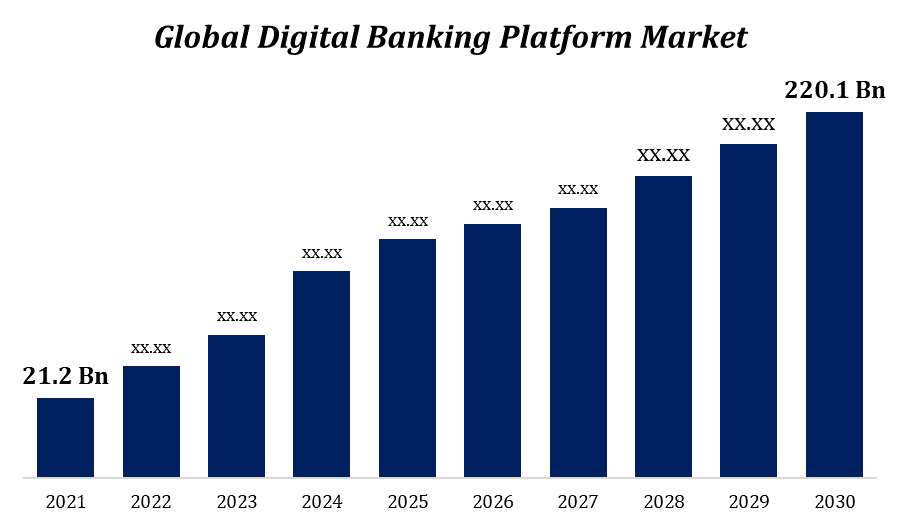
The rise of digital banking has been one of the most significant developments in the financial services sector over the past decade. The transformation of banking services from brick-and-mortar branches to fully digital platforms has reshaped how consumers interact with financial institutions. This trend is not just a passing innovation but a fundamental shift in the global financial landscape. But which countries are leading the charge in this global digital banking revolution?
The Shift Toward Digital Banking
In recent years, digital banking has seen exponential growth driven by factors such as:
Technological Advancements: The rise of smartphones, the internet, and cloud technology has allowed financial institutions to offer banking services that are more accessible and efficient than ever before.
Consumer Preferences: Customers are increasingly looking for more convenient, faster, and cheaper ways to manage their finances, leading to a strong demand for digital banking services.
COVID-19 Pandemic: The global pandemic accelerated the shift towards digital banking as physical branches closed and people turned to digital platforms to manage their finances while staying safe at home.
Financial Inclusion: Digital banking has been a powerful tool in providing financial services to unbanked and underbanked populations, especially in emerging markets.
Let’s take a look at some of the countries leading the digital banking revolution.
1. Estonia: A Digital Pioneer in Europe
Estonia is often cited as one of the most digitally advanced countries in the world. Its government has heavily invested in digital infrastructure, making services such as banking, voting, and healthcare accessible online. Estonia’s e-Residency program allows non-Estonians to start and manage businesses in the country without being physically present, which has helped build a thriving digital economy.
Estonia’s digital banking sector is incredibly advanced, with the country offering comprehensive online banking services that allow individuals and businesses to perform a wide range of transactions from anywhere in the world. Additionally, Estonia has integrated blockchain technology into its government and financial systems, providing enhanced security for digital transactions.
2. China: Dominating Digital Payments
China is a global leader in digital banking, especially in the realm of digital payments. The country’s two largest digital payment giants—Alipay and WeChat Pay—have become ubiquitous in daily life. Nearly every retail transaction, from buying groceries to paying for a taxi ride, is done via these digital platforms, which have become deeply integrated into the Chinese economy.
Chinese digital banks, such as Ant Group’s MYbank and Tencent’s WeBank, offer everything from savings and loans to wealth management products. The widespread use of mobile payment apps and the ability to conduct financial transactions without the need for physical banking infrastructure has made China a global frontrunner in the digital banking space.
The People’s Bank of China (PBoC) is also developing its own Central Bank Digital Currency (CBDC), the digital yuan, which could revolutionize how the country conducts financial transactions on a national and global scale.
3. United Kingdom: A Strong Digital Banking Ecosystem
The UK is home to some of the world’s most successful digital banks, with neobanks such as Monzo, Revolut, and Starling Bank leading the charge. These banks offer fully digital, app-based banking services that provide everything from savings accounts to personal loans with no physical branches. They have quickly gained popularity for their simplicity, transparency, and ease of use.
The UK’s regulatory environment, with the Financial Conduct Authority (FCA) at the helm, has been instrumental in encouraging innovation while ensuring consumer protection. The introduction of Open Banking, which requires banks to provide third-party providers with access to customer data (with customer consent), has further fueled the growth of digital banking by fostering competition and innovation in financial services.
4. India: A Rapidly Growing Digital Banking Market
India has seen tremendous growth in digital banking in recent years. The country’s large, young, and tech-savvy population is increasingly embracing digital financial services. India’s Digital India initiative, which promotes the use of technology across all sectors, has significantly contributed to this shift.
Digital payment platforms such as Paytm, PhonePe, and Google Pay dominate the landscape, while neobanks like Finbox and Niyo are providing specialized banking products for millennials, small businesses, and the underserved.
The Indian government has also launched initiatives such as Jan Dhan Yojana, which has helped millions of unbanked citizens open digital accounts and access banking services. Additionally, India’s Unified Payments Interface (UPI) has become a key driver of digital payments, enabling fast, easy, and secure transactions between individuals and businesses.
5. South Korea: A Leader in Fintech Innovation
South Korea is another country at the forefront of digital banking. The country has a highly connected population, with over 95% of South Koreans using smartphones. This tech-savvy demographic has embraced digital banking platforms for everything from everyday transactions to wealth management.
South Korea’s financial sector is highly digitized, with a wide array of digital-only banks such as Kakao Bank and K-Bank, offering a full range of financial services. South Korea’s financial regulators have also introduced policies that encourage innovation in fintech while maintaining a strong focus on consumer protection.
The use of mobile payments is widespread, with apps like Samsung Pay, Naver Pay, and Kakao Pay being used for seamless transactions across various sectors. Moreover, South Korea has adopted blockchain technology in both public and private sectors, further advancing its position as a leader in digital banking innovation.
6. Singapore: The Hub for Digital Banking in Southeast Asia
Singapore is an important fintech hub in Southeast Asia, with the country’s regulatory environment being particularly supportive of innovation in financial services. The Monetary Authority of Singapore (MAS) has played a key role in creating a conducive environment for digital banking and fintech startups.
In 2020, Singapore granted digital banking licenses to firms like Grab (in partnership with Singtel) and Sea Group, allowing non-bank players to offer digital financial services such as savings, loans, and insurance. Singapore’s digital banking ecosystem is expected to expand rapidly in the coming years, with the country serving as a launchpad for digital banking innovations throughout Southeast Asia.
7. Australia: A Digital Banking Leader in the Pacific
Australia has a well-established digital banking market, with both traditional banks and new players embracing digital transformation. Neobanks like Xinja, 86 400, and Up Bank have captured a growing share of the market, offering customers digital-first banking experiences with lower fees and more flexibility than traditional banks.
Australia’s regulatory framework, which encourages innovation while ensuring security and consumer protection, has supported the growth of digital banking. Additionally, Australia’s well-developed payment systems, such as the New Payments Platform (NPP), facilitate fast, real-time transactions for consumers and businesses.
8. Sweden: A Cashless Society with a Strong Digital Banking Sector
Sweden is another leader in the digital banking space. The country is known for its move toward a cashless society, with the use of physical currency rapidly declining in favor of mobile payments, card payments, and digital banking services. Swedish digital banks like Klarna and Avanza are offering innovative financial products that cater to a tech-savvy population.
Sweden’s advanced financial infrastructure and supportive regulatory environment have made it a great place for fintech startups to thrive, making digital banking an integral part of the Swedish economy.