
Tokenized Salaries: Getting Paid in Programmable Money
For decades, the way we get paid has remained surprisingly unchanged. Whether through direct bank deposits, checks, or digital transfers, salaries still follow rigid schedules, slow settlement cycles, and systems built for a pre-digital economy. Even as finance has evolved—with mobile payments, digital wallets, and cryptocurrencies—the payroll experience itself has largely stayed static.
But that is beginning to change. The emergence of tokenized salaries—payments made in programmable digital money—is quietly redefining how compensation works. It’s not just about faster payments or crypto salaries; it’s about transforming money itself into something dynamic, automated, and intelligent.
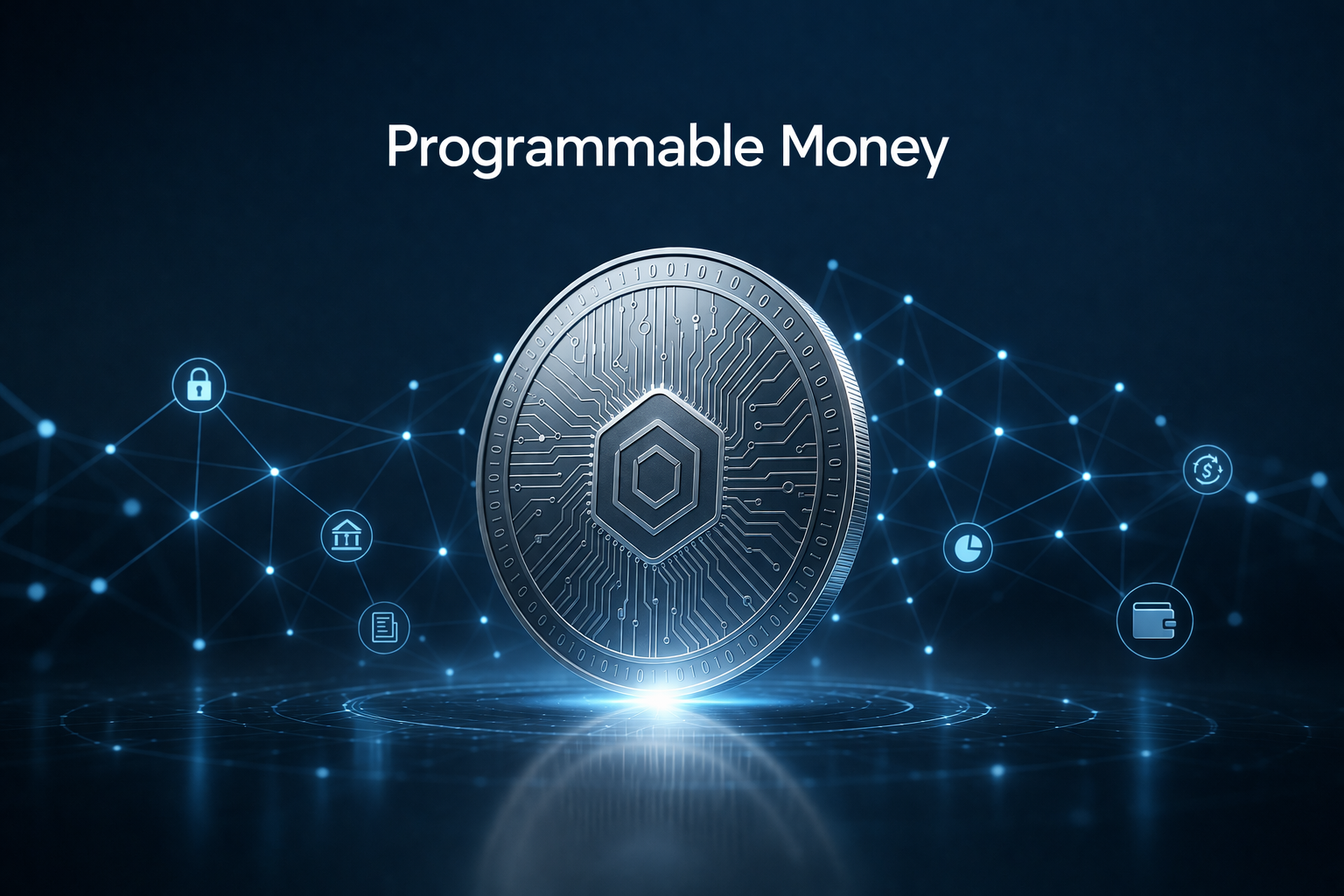
At its core, tokenized salary means that compensation is delivered in digital assets—often stablecoins or tokenized fiat currencies—on blockchain infrastructure. But the real breakthrough lies in programmability. Instead of simply transferring funds, employers can embed rules, conditions, and logic directly into the payment itself. Salary is no longer just money; it becomes a system.
This shift is happening alongside broader changes in how work is structured. The global workforce is more distributed than ever, with freelancers, remote employees, and cross-border teams becoming the norm. Traditional payroll systems struggle to keep up with this reality. International payments can take days, involve multiple intermediaries, and incur significant fees. Compliance varies by jurisdiction, and currency conversion adds further complexity.
Tokenized salaries offer a fundamentally different model. Payments can be executed instantly, across borders, without relying on legacy banking rails. A developer in India working for a company in the U.S. can receive compensation in seconds, with minimal fees, and without the friction of currency conversion delays. This alone is transformative—but it is only the beginning.
The real power lies in programmability. Imagine a salary that streams continuously rather than arriving once a month. Instead of waiting 30 days to access earned income, employees can receive funds in real time as they work. This concept, often referred to as “streaming payroll,” is already being tested in blockchain ecosystems. It changes the psychological and financial relationship between workers and income, offering greater liquidity and financial flexibility.
Programmable salaries can also enable automated deductions and allocations. Taxes, benefits, savings, and investments can be handled at the moment of payment, with predefined rules ensuring compliance and efficiency. A portion of a salary could automatically be allocated to retirement funds, another to insurance, and another to daily spending—all without manual intervention.
For employers, this introduces a new level of precision and control. Compensation structures can be tailored dynamically, incorporating performance-based incentives, milestone payments, or conditional bonuses. Smart contracts can ensure that payments are triggered only when specific conditions are met, reducing disputes and administrative overhead.
This level of automation has implications beyond efficiency. It introduces transparency into compensation systems. Employees can see exactly how their salary is structured, where deductions are going, and how benefits are calculated. In industries where trust and fairness are critical, this transparency could become a competitive advantage.
The rise of stablecoins is a key enabler of this shift. Unlike volatile cryptocurrencies, stablecoins are pegged to fiat currencies, providing the stability required for payroll. With transaction volumes reaching tens of trillions of dollars annually, stablecoins are increasingly being used for real-world financial applications, including cross-border payments and treasury management.
As organizations explore tokenized salaries, they are also rethinking treasury operations. Instead of holding funds in traditional bank accounts, companies can manage liquidity in digital wallets, enabling faster disbursements and more efficient capital allocation. This aligns with a broader trend toward digital finance, where money moves at the speed of software rather than the speed of institutions.
However, the transition is not without challenges. Regulation remains one of the most significant barriers. Payroll is a highly regulated function, with strict requirements around taxation, reporting, and compliance. Integrating programmable money into this framework requires careful coordination with regulators and policymakers.
There are also questions around user experience and accessibility. While digital wallets and blockchain infrastructure are becoming more user-friendly, they still present a learning curve for many employees. For tokenized salaries to achieve mainstream adoption, they must be as intuitive and reliable as traditional payroll systems—if not more so.
Security is another critical consideration. Managing digital assets introduces new risks, including cyber threats and key management challenges. Enterprise-grade custody solutions and robust security frameworks will be essential to ensure trust in these systems.
Despite these challenges, momentum is building. Large enterprises, fintech startups, and even governments are exploring programmable money as part of broader digital transformation strategies. Central bank digital currencies (CBDCs) could further accelerate this shift, providing a regulated and widely accepted form of programmable fiat money.
As these technologies mature, the concept of salary itself may evolve. Compensation could become more flexible, personalized, and responsive to individual needs. Employees might choose how and when they receive their income, in what form, and with what allocations. Employers, in turn, could design compensation packages that are more aligned with performance, engagement, and long-term value creation.
There is also a cultural dimension to this transformation. Money has always been a reflection of trust—trust in institutions, systems, and agreements. Tokenized salaries shift that trust from intermediaries to code. Smart contracts enforce agreements automatically, reducing reliance on manual processes and third parties. This does not eliminate the need for trust, but it changes where that trust resides.
In many ways, tokenized salaries represent the convergence of finance and software. Just as software has transformed industries from media to transportation, it is now reshaping how value is created, distributed, and managed. Payroll, once a back-office function, is becoming a strategic layer of innovation.
Looking ahead, the adoption of tokenized salaries will likely be gradual rather than immediate. Hybrid models may emerge, where traditional payroll systems coexist with programmable money solutions. Companies may start by offering tokenized options for specific segments of their workforce, such as freelancers or international employees, before expanding to broader use cases.
Over time, as infrastructure improves and regulatory clarity increases, tokenized salaries could become the default rather than the exception. The benefits—speed, efficiency, transparency, and flexibility—are too significant to ignore.
Ultimately, the shift to programmable money is about more than payroll. It is about redefining the relationship between work and value. When money becomes programmable, it becomes adaptable. It can respond to the needs of individuals and organizations in real time, creating a more dynamic and inclusive financial system.
The idea of getting paid in programmable money may still feel futuristic, but the foundations are already in place. As blockchain technology, stablecoins, and digital finance continue to evolve, the way we earn, manage, and think about money is set to change.
And when that happens, payday will no longer be a date on the calendar—it will be a continuous, intelligent flow of value, seamlessly integrated into the fabric of our digital lives.