
Crypto Payment Gateways for Businesses: The Future of Digital Transactions
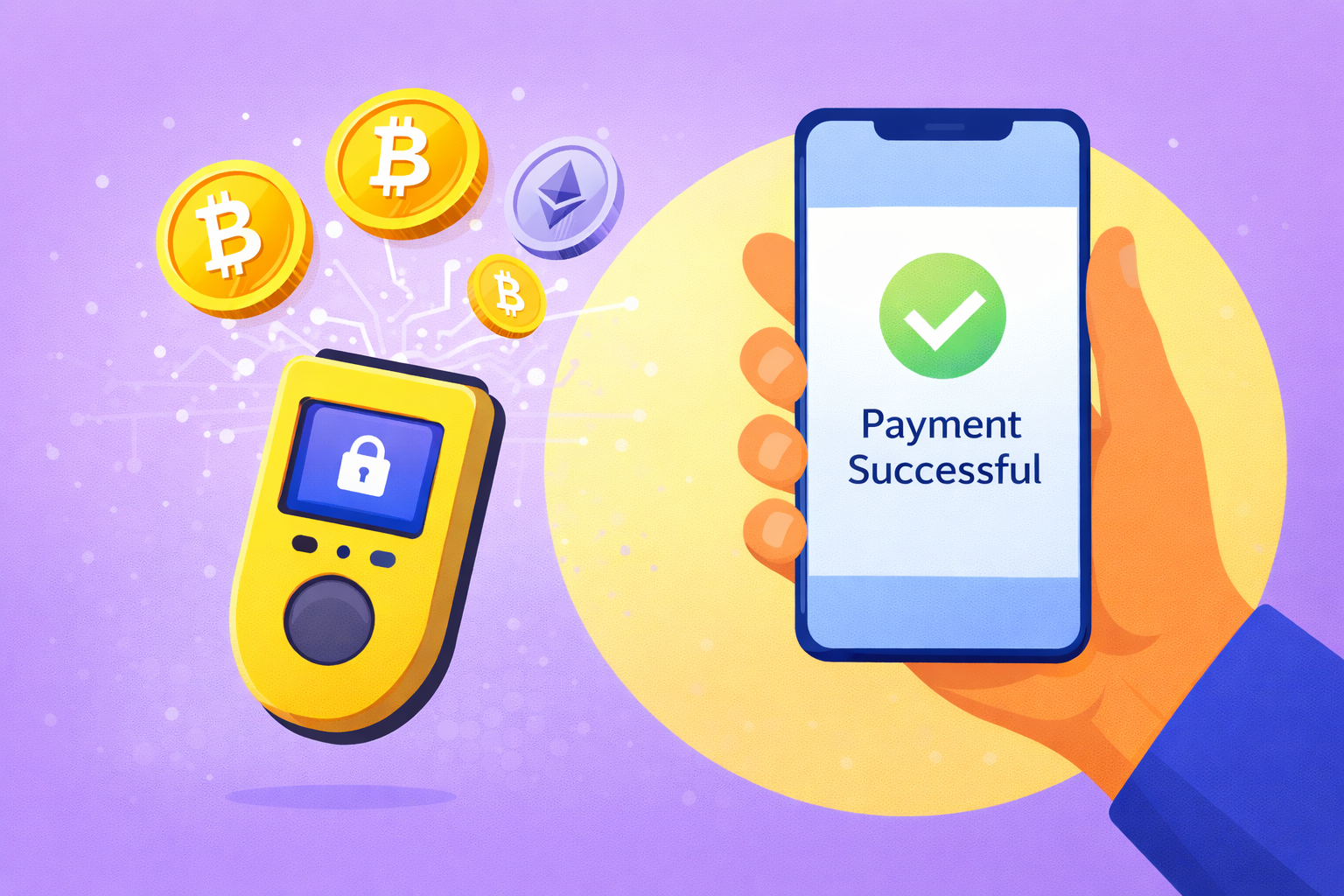
In the rapidly evolving world of digital finance, businesses are constantly looking for faster, cheaper, and more secure ways to accept payments from customers around the world. Traditional payment systems such as credit cards and bank transfers have served businesses for decades, but they come with limitations such as high transaction fees, slow international transfers, and the risk of chargebacks. As a result, many companies are now turning toward cryptocurrency payment gateways as an alternative payment solution. Crypto payment gateways are becoming an important part of modern business infrastructure, especially for companies that operate online or serve international customers.
A crypto payment gateway is a service that allows businesses to accept cryptocurrency payments from customers in a simple and secure way. Just like traditional payment processors handle debit and credit card transactions, crypto payment gateways handle blockchain-based payments. These platforms manage the entire payment process, including generating payment addresses, verifying blockchain transactions, and transferring funds to the business. In many cases, they also offer automatic conversion from cryptocurrency into traditional currency, which helps businesses avoid the risk of price volatility.
The way a crypto payment gateway works is relatively straightforward from the user’s perspective. When a customer chooses to pay using cryptocurrency, the payment gateway generates a wallet address or QR code. The customer sends the cryptocurrency to that address, and the payment gateway monitors the blockchain network to confirm the transaction. Once the transaction is verified, the business is notified and the payment is completed. Depending on the business preference, the cryptocurrency can either be stored in a digital wallet or automatically converted into fiat currency and deposited into the company’s bank account. This process removes the technical complexity of blockchain transactions and makes it possible for businesses to accept crypto payments without needing deep technical knowledge.
One of the main reasons businesses are adopting crypto payment gateways is cost efficiency. Traditional payment processors often charge fees ranging from two to four percent per transaction, especially for international payments. Crypto transactions usually have significantly lower fees, particularly when using modern blockchain networks or stablecoins. For businesses with high transaction volumes, this reduction in fees can lead to substantial cost savings over time. In addition, cryptocurrency payments are typically faster than international bank transfers, which can take several days to settle. Blockchain payments can settle within minutes, and in some cases within seconds, making them ideal for global commerce.
Another major advantage of crypto payments is that they eliminate chargebacks. In traditional payment systems, customers can sometimes reverse payments after receiving goods or services, which creates financial risk for businesses. Cryptocurrency transactions, once confirmed on the blockchain, cannot be reversed. This protects businesses from fraud and reduces disputes related to payment reversals. For industries such as digital services, online products, and international freelancing, this feature is particularly valuable.
Crypto payment gateways also allow businesses to operate on a global scale more easily. Since cryptocurrencies are not tied to any specific country or banking system, businesses can accept payments from customers anywhere in the world without worrying about currency conversion, international banking delays, or regional payment restrictions. This is especially useful for e-commerce companies, software companies, freelancers, and digital content creators who serve international clients.
Despite these advantages, crypto payment gateways also come with challenges that businesses must consider. One of the biggest concerns is price volatility. The value of cryptocurrencies like Bitcoin and Ethereum can change rapidly, which means the value of a payment received in cryptocurrency can increase or decrease within a short period of time. However, many payment gateways now offer instant conversion into stablecoins or fiat currency, which helps businesses avoid this risk. Regulatory uncertainty is another challenge. Cryptocurrency regulations vary from country to country, and businesses must ensure they comply with local laws related to taxation, reporting, and financial transactions.
Security is another important factor. While blockchain technology itself is very secure, businesses must still protect their wallets, private keys, and payment systems from cyber threats. Using a trusted crypto payment gateway reduces many of these risks because the gateway provider handles security, compliance, and transaction monitoring. Over time, as regulations become clearer and infrastructure improves, these risks are expected to decrease.
Several major companies are already using crypto payment gateways, and many payment providers now offer easy integration with websites and e-commerce platforms. Businesses can integrate crypto payments into their websites using plugins, APIs, or payment buttons, making the process similar to adding any other online payment method. As stablecoins become more popular and blockchain technology becomes faster and more scalable, crypto payments are expected to become more common in everyday business transactions.
Looking toward the future, crypto payment gateways are likely to play a major role in digital commerce. The growth of stablecoins, decentralized finance, tokenized assets, and digital wallets is creating a new financial ecosystem where blockchain-based payments may become as common as card payments are today. Governments and financial institutions are also exploring central bank digital currencies, which could eventually integrate with crypto payment systems and further expand digital payment options.